

The journey of parenthood is filled with countless milestones, from the first steps to the first words. Yet, one critical aspect often overlooked is the health of your child’s eyes. Pediatric eye care plays a pivotal role in ensuring your little one’s visual health and overall development. In this blog, we’ll explore the significance of pediatric eye care and why it should be an integral part of your child’s healthcare routine.
1. Early Detection is Key:
Early detection of eye problems is crucial in children. Many vision issues can be successfully treated or managed when identified in their formative years. Regular eye exams can help catch problems before they affect your child’s learning and development.
2. Vision and Learning:
Vision plays a vital role in your child’s learning process. Good vision is essential for reading, writing, and comprehending information in school. Undiagnosed vision issues can lead to academic challenges and hinder their educational progress.
3. Common Pediatric Eye Conditions:
- Pediatric eye care addresses a range of conditions, including:
- Strabismus: Misalignment of the eyes
- Amblyopia (Lazy Eye): Reduced vision in one eye
- Refractive Errors: Nearsightedness, farsightedness, and astigmatism
- Eye Allergies: Allergic conjunctivitis
- Eye Infections: Pink eye and other infections
4. Early Intervention:
Timely pediatric eye exams can lead to early intervention and improved treatment outcomes. Conditions like amblyopia are most effectively treated in young children.
5. Pediatric Eye Exams:
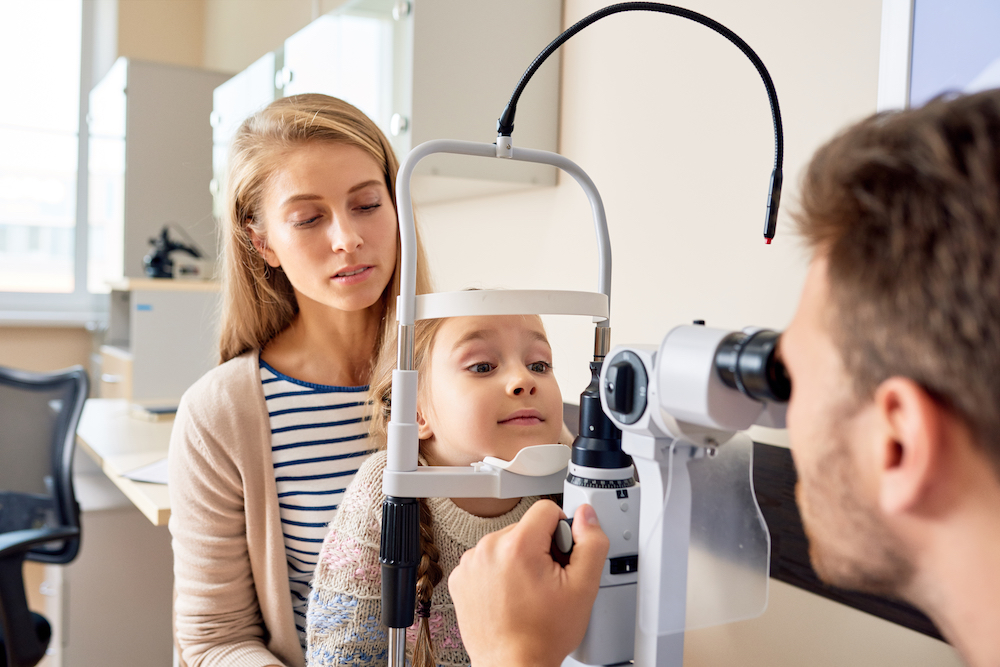
Pediatric eye exams are designed to be child-friendly and non-invasive. They assess visual acuity, eye alignment, and the overall health of the eyes. Regular exams help monitor your child’s eye health as they grow.
6. Protecting Eye Health:
- In addition to routine eye exams, ensure your child follows these practices for good eye health.
- Eye Safety: Provide protective eyewear for activities that pose an eye injury risk.
- Screen Time: Limit screen time to age-appropriate recommendations to reduce digital eye strain.
- Outdoor Play: Encourage outdoor play, which can reduce the risk of myopia (nearsightedness).
7. Addressing Myopia:
Myopia is becoming increasingly common in children. Discuss myopia management options with your eye care professional to slow its progression.
8. Setting a Positive Example:
Children often emulate their parents’ behavior. By prioritizing your own eye health and attending regular eye exams, you set a positive example for your child.
9. Partnering with Pediatric Eye Specialists:
Pediatric eye specialists have specialized training and experience in addressing children’s unique eye care needs. Consider consulting a pediatric ophthalmologist for specialized care.
Your child’s eyes are precious and deserve the best care possible. Prioritizing pediatric eye care not only safeguards their visual health but also enhances their overall quality of life and educational opportunities. By taking proactive steps to monitor and protect their vision, you’re setting them on a path to a brighter and clearer future.