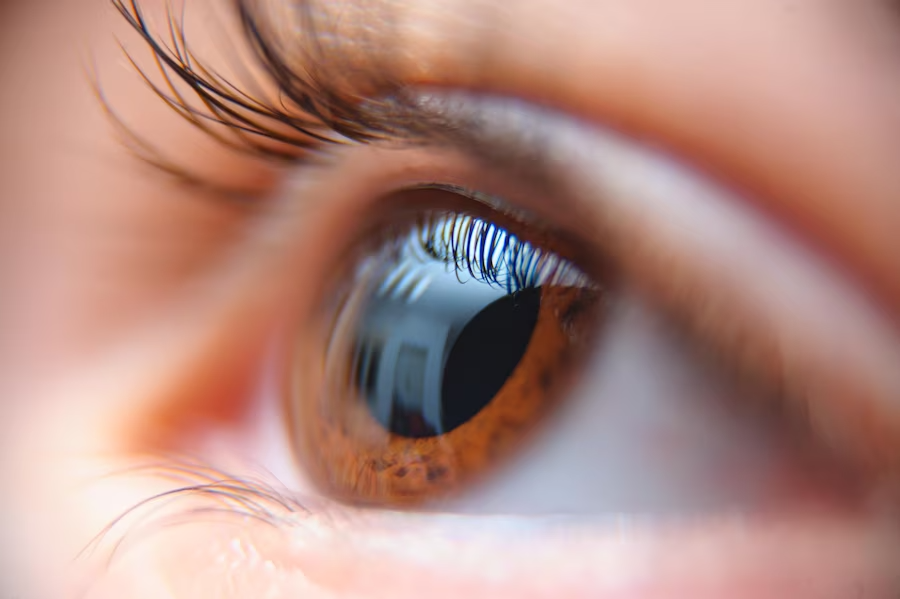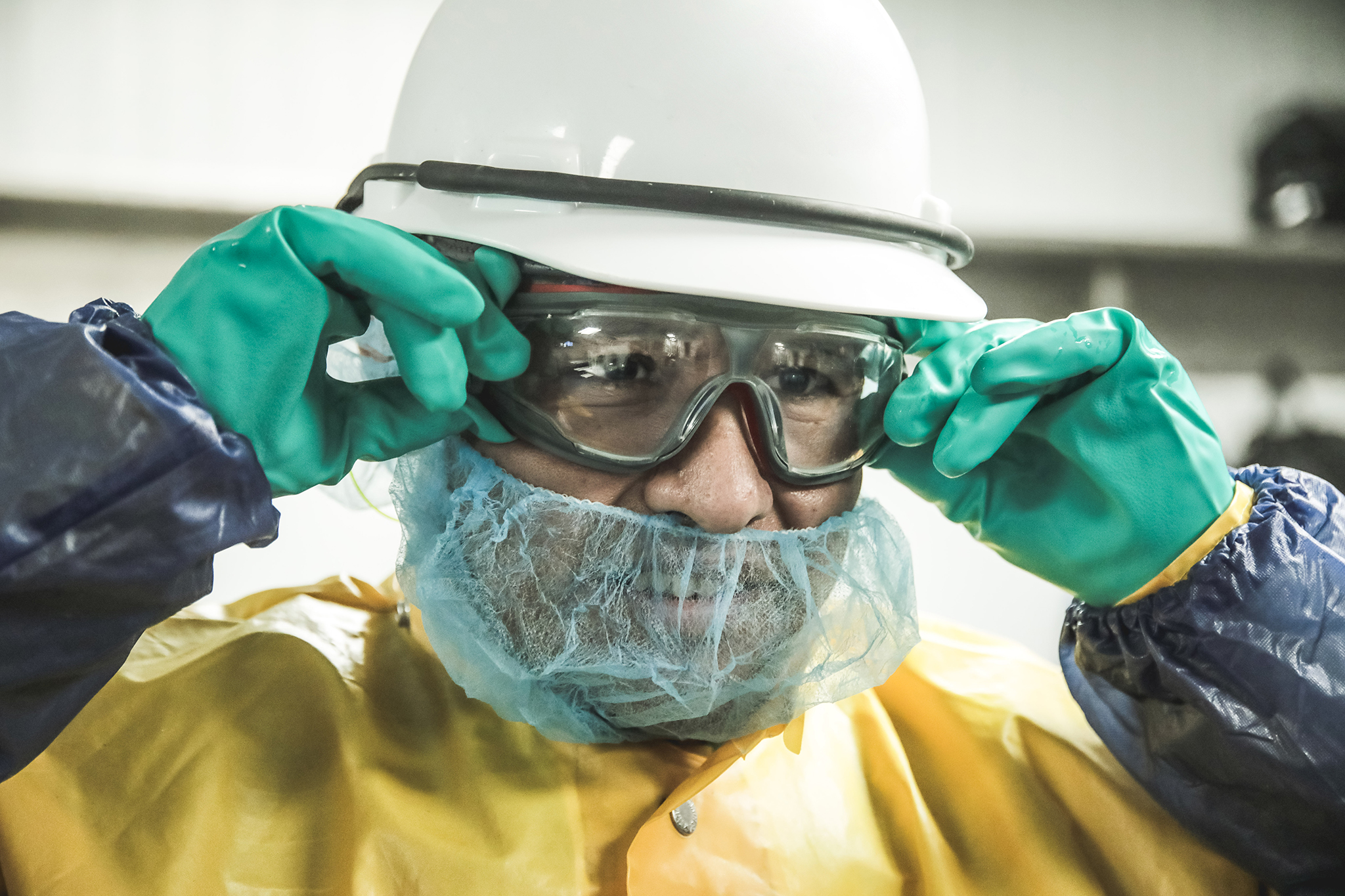
Our eyes are precious, intricate organs that allow us to perceive the world around us. Yet, despite their importance, we often take our eyes for granted, unintentionally exposing them to various hazards. In this blog, we’ll delve into the world of eye safety and explore practical measures you can take to protect your eyes in everyday life.
1. Eye Safety at Home:
Home is where we spend most of our time, and it’s crucial to identify potential eye hazards. Common household risks include
- Chemicals: Be cautious when using household cleaners, chemicals, or DIY projects that involve substances that can splash or aerosolize. Wear protective eyewear when necessary.
- Sharp Objects: Store tools and sharp objects safely, and keep them out of the reach of children.
- Hot Liquids: Prevent scalding by using oven mitts and pot holders to handle hot dishes and liquids.
2. Eye Safety at Work:
In the workplace, occupational eye hazards can vary widely depending on the industry. However, some general precautions apply to all work settings:
- Safety Glasses: Wear appropriate eye protection, such as safety glasses or goggles, when working in environments with flying debris, chemicals, or machinery.
- Computer Vision Syndrome: Take regular breaks from digital screens to reduce digital eye strain. Follow the 20-20-20 rule: every 20 minutes, look at something 20 feet away for at least 20 seconds.
- Ergonomics: Maintain good ergonomics at your desk to reduce eye strain, neck pain, and discomfort.
3. Eye Safety Outdoors:
Outdoor activities expose your eyes to various elements and potential hazards:
- Sunglasses: Wear sunglasses that block 100% of UVA and UVB rays to protect your eyes from harmful ultraviolet radiation.
- Sports Safety: When playing sports or engaging in recreational activities, use appropriate protective gear such as helmets with face shields, goggles, and sports-specific eyewear.
- Gardening: Wear protective eyewear when gardening to shield your eyes from dirt, debris, and harmful chemicals.
4. Eye Safety on the Road:
While driving, it’s essential to prioritize eye safety:
- Wear Seat Belts: Seat belts prevent you from hitting the windshield or steering wheel in the event of an accident, protecting your eyes from potential injuries.
- Defensive Driving: Stay alert and practice defensive driving to reduce the risk of accidents and debris striking your windshield.
5. Childproofing for Eye Safety:
Childproof your home to protect your children’s eyes:
- Toy Safety: Ensure age-appropriate toys and games are free of small parts that could pose choking hazards. Supervise children to prevent eye injuries.
- Child-Friendly Products: Use childproof locks on cabinets containing household chemicals, sharp objects, and medications.
6. Regular Eye Exams:
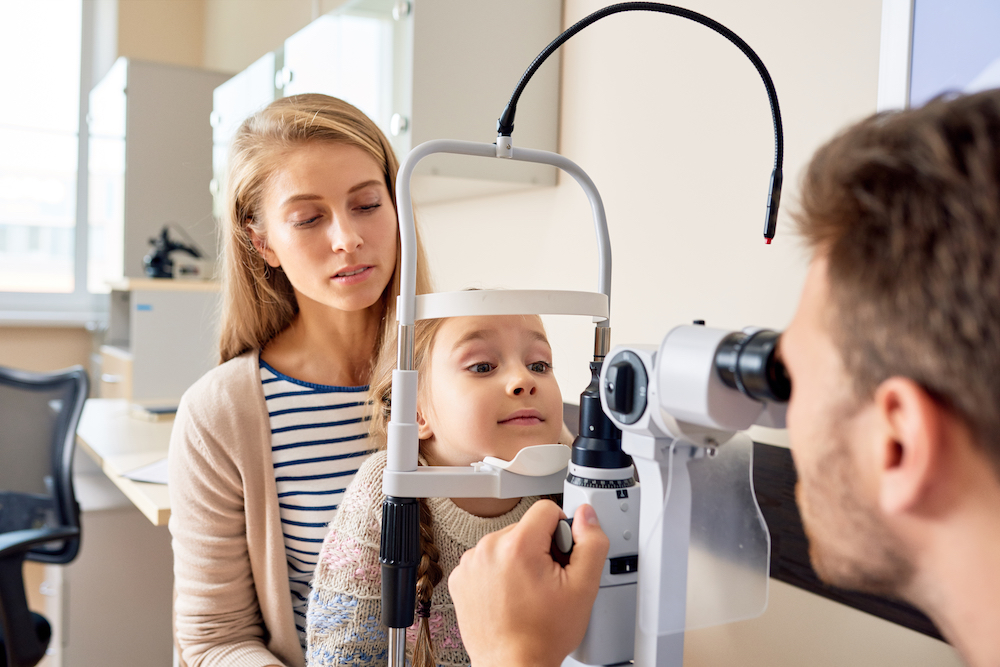
Regular eye exams are a proactive way to monitor your eye health and detect potential issues early. Adults and children should undergo comprehensive eye exams as recommended by their eye care professional.
Prioritizing eye safety is a small investment with significant returns—protecting your vision and the vision of your loved ones. By being aware of potential hazards and taking appropriate precautions, you can be the guardian of your gaze and enjoy a lifetime of clear, healthy vision. Remember, your eyes are irreplaceable, so take good care of them.